
Eradication methods
Compared to land, where several successful examples of eradications of invasive alien species exist, marine examples are very few. This is probably due to the high environmental connectivity resulting in high dispersal potential of many marine species with planktonic larval stages. With high dispersal potential and a large geographic area, the more difficult it will be to combat an invading alien species and it is therefore important to consider the dispersal capacity of a target species and the size of the area to be included. Marine Protected Areas, MPAs, are especially important to take into consideration when managing IAS. In order to succeed in controlling and possibly eradicating IAS, it is important that right measures are taken at the right time (Figure 5.1). Once an alien species has established itself and become invasive, success is based on early detection followed by early eradication measures.
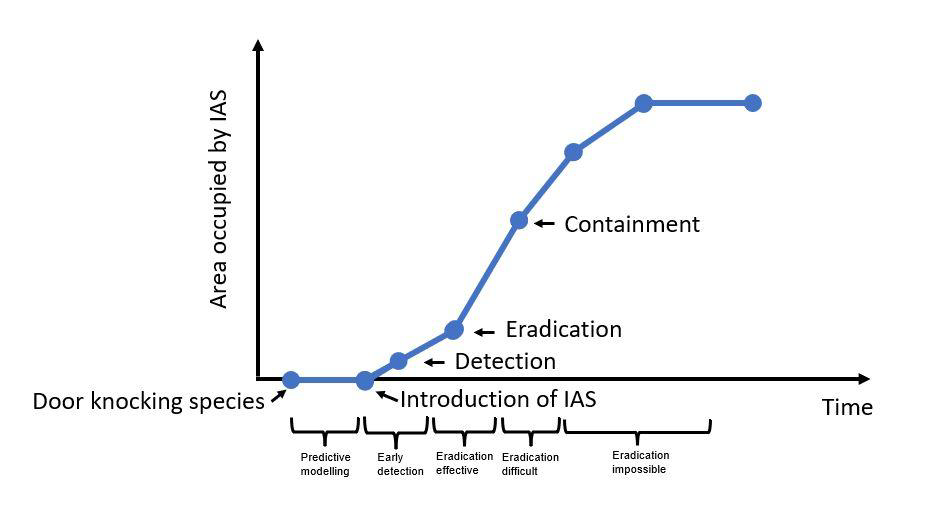
Figure 5.1: A simple model of different management stages in the proposed research project.
In the project, various monitoring and early detection methods will be investigated, such as the use of eDNA as well as through citizen science projects. For already established and invasive species, different eradication methods will be tried out. Knowledge of e.g. population structures, life-history traits and dispersal biology of the IAS and habitats will be obtained from published data in the scientific literature as well as through field studies and controlled laboratory experiments. Based on temperature requirements, climate change will favor spread of different species in northern Europe with examples of introduced species that have extended northward like the asian shore crab Hemigrapsus crabs and the barnacle Austrominius modestus. A prerequisite to in a later step carry out economic analysis of the cost effectiveness of different eradication and control methods and to be able to deliver reliable data to the high-resolution coastal model is to have detailed knowledge of IAS as well as the distribution of suitable habitats in the study area.
Examples of research questions that will be asked are:
- Which eradication and control methods are most cost-effective when it comes to removing IAS within the study area?
- How do the different methods affect the environment in the area?
- Can the public be engaged, e.g. through citizen science activities in the detection and eradication of IAS in the study area?
- How best to construct a monitoring program that guarantees a long-term follow-up of the populations’ development in the study area?
- Can citizen science be used for long-term monitoring and how to best ensure the scientific quality of data collected by non scientists?
- What resources do the authorities and end-users in the project’s reference group have to carry out long-term monitoring of the proposed methods?